
Beneficial foods for postpartum recovery
Introduction
Postpartum recovery after childbirth is a time when a mother’s body undergoes significant healing and adjustment. This phase is crucial as it involves recovering from pregnancy, labour, and delivery. Focusing on nutrition during this time can profoundly impact a mother’s energy levels, hormonal balance, and overall well-being.
In this article, we’ll explore a complete list of beneficial foods for postpartum recovery, highlighting their specific nutrients and health benefits. From nourishing meals to hydrating foods and nutrient-rich snacks, we’ve got you covered with everything you need to support your body’s healing process.
The Role of Nutrition in Postpartum Recovery
After giving birth, your body goes through significant changes and needs extra nutrients to recover properly, especially if you’re breastfeeding. This stage is all about:
- Restoring your body’s nutrient stores
- Boosting energy levels
- Balancing hormones
- Repairing tissues
Why You Need More Nutrients
During the postpartum period, your body has higher nutritional needs because of:
- Breastfeeding: Making milk for your baby requires more calories, protein, vitamins, and minerals.
- Healing: Recovering from childbirth involves repairing tissues, which increases the demand for nutrients like vitamin C, zinc, and protein.
- Hormone Regulation: Certain nutrients like omega-3 fatty acids are important for keeping your hormones in check, which can affect your mood and overall well-being.
The Benefits of Eating Well
Eating a balanced diet has several advantages for postpartum recovery:
- Sustained Energy: A combination of carbohydrates, proteins, and healthy fats helps maintain your energy levels throughout the day.
- Hormonal Balance: Foods that are rich in omega-3s and good fats play a role in keeping your hormones balanced.
- Natural Healing: Nutrient-dense foods provide the essential vitamins and minerals needed for your body to heal itself.
Why Whole Foods Are Better Than Supplements
While supplements may be necessary in certain situations, getting your nutrients from whole foods generally leads to better absorption and overall nourishment. Whole foods contain a variety of nutrients that work together:
- Vitamins & Minerals: These are abundant in colourful fruits, vegetables, lean meats, and dairy products.
- Fibre: Essential for a healthy digestive system, fibre is found in whole grains, fruits, and vegetables.
“Eating a well-balanced diet during the postpartum period is crucial for your recovery. It provides your body with the necessary nutrients to heal, regain strength, and support your overall well-being.”
1. Nourishing Meals for Postpartum Healing
a) Example Recipe: Organic Chicken Broth
Homemade broths are a cornerstone in many traditional postpartum diets. They offer several benefits, particularly easy digestion and hydration support, making them ideal for new mothers who need to replenish their bodies after childbirth.
Benefits of Including Homemade Broths
- Easy Digestion: The nutrients in broth are broken down into easily digestible forms, which can be gentle on the digestive system.
- Hydration Support: Broth helps maintain fluid balance, crucial for recovery and breastfeeding.
- Nutrient-Rich: Packed with minerals like calcium, magnesium, and phosphorus, as well as collagen and amino acids that support tissue repair.
Recipe: Organic Chicken Broth
Here’s how you can prepare a nourishing organic chicken broth:
Ingredients:
- 1 large organic chicken
- 1 large brown onion
- 2 carrots
- 3 celery sticks
- 1 bunch parsley
- Water to cover
- Ground black pepper
- Few slices of fresh ginger root
- Chopped spring onion
- Salt to taste
Preparation Method:
Method One: Large Saucepan/Stock Pot
- Place the chicken in the pot.
- Chop the onion, carrots, celery, ginger, parsley, and herbs if using.
- Add water to cover the ingredients and bring to a boil.
- Once boiling, reduce heat and let it simmer for at least two hours.
- Strain out the bones, vegetables, and herbs (except for red dates).
- Allow the broth to cool and skim off any fat that rises to the surface.
- Store the broth in the refrigerator or freezer.
Method Two: Slow Cooker
- Place the chicken in the slow cooker.
- Add diced onion, carrots, celery, ginger, parsley, and herbs if using.
- Cover with water and season with ground black pepper and salt.
- Cook on high for 7–8 hours, stirring every couple of hours and adding water if necessary.
- Debone the chicken and return the meat to the slow cooker.
- Season to taste before allowing it to cool and skimming off any fat that surfaces.
This simple yet nutrient-packed recipe ensures you have a steady supply of beneficial foods handy during your postpartum recovery. Enjoy it as is or use it as a base for other nutritious soups and stews.
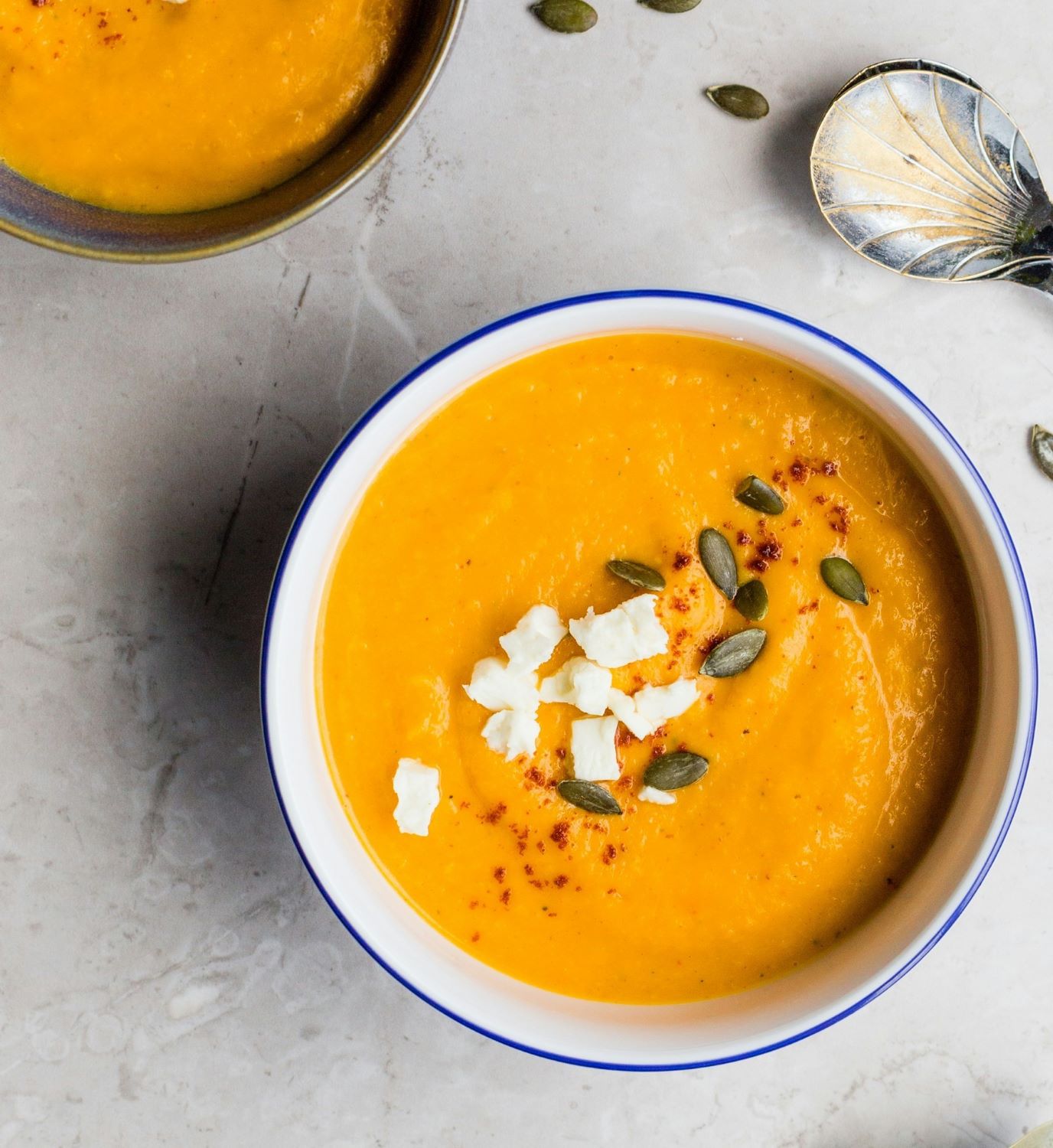
b) Vegetarian Option: Nourishing Lentil Soup
For those who prefer plant-based meals, a Nourishing Lentil Soup is an excellent choice. Packed with protein and iron, lentils are a powerhouse ingredient for postpartum recovery. This soup not only delivers essential nutrients but also provides comforting warmth and rich flavour.
Benefits of Lentil Soup
- Protein & Iron: Lentils are a fantastic source of plant-based protein and iron, crucial for muscle repair and replenishing blood lost during childbirth.
- Easy Digestion: The fibre content aids in digestion, helping to keep things moving smoothly—quite literally.
- Comforting Warmth: A warm bowl of soup can be incredibly soothing during the early weeks of motherhood.
Recipe: Nourishing Lentil Soup
Ingredients:
- 1 cup lentils (any variety)
- 1 large onion, diced
- 2 carrots, chopped
- 2 celery stalks, chopped
- 3 cloves garlic, minced
- 1 can diced tomatoes (optional)
- 6 cups vegetable broth
- 1 tsp cumin
- 1 tsp turmeric
- 1 tsp paprika
- Salt and pepper to taste
- 2 tbsp olive oil
- Fresh parsley or cilantro for garnish
Instructions:
- Prepare the Ingredients: Rinse the lentils under cold water until the water runs clear. Set aside.
- Sauté Aromatics: In a large pot, heat olive oil over medium heat. Add diced onions, carrots, celery, and garlic. Sauté until onions are translucent.
- Add Spices: Stir in cumin, turmeric, and paprika. Cook for another minute to release the spices’ aroma.
- Combine Ingredients: Add rinsed lentils, diced tomatoes (if using), and vegetable broth to the pot. Stir well to combine.
- Simmer: Bring the mixture to a boil, then reduce heat to low. Cover and simmer for about 30 minutes or until lentils are tender.
- Season & Serve: Season with salt and pepper to taste. Garnish with fresh parsley or cilantro before serving.
This delightful soup can be made in advance and stored in the fridge or freezer for those busy days when you need quick nourishment.
Taking time to prepare nourishing meals like this ahead of time can significantly ease your postpartum experience. Whether you cook in batches or enlist help from meal delivery services, having nutritious options readily available allows you to focus on bonding with your new baby and recovering your strength.
2. Hydrating Foods to Support Recovery
Staying hydrated is crucial during the postpartum period. Adequate hydration supports milk production, which is essential for breastfeeding mothers, and helps maintain bowel regularity—a common concern after childbirth.
Why Hydration Matters
A woman’s body undergoes significant changes after giving birth, including needing more fluids. Breastfeeding requires more water, as breast milk is made up of about 90% water. Not drinking enough can affect milk supply and overall energy levels, so it’s important to stay hydrated.
Hydrating Foods with Essential Nutrients
Incorporating hydrating foods into your postpartum diet is a practical way to stay replenished while also gaining valuable nutrients:
- Watermelon: Packed with water content and vitamins A and C, watermelon helps in keeping you hydrated and supports immune function.
- Cucumber: High in water content and low in calories, cucumbers are perfect for hydration and contain beneficial antioxidants.
- Oranges: Rich in vitamin C, fibre, and high water content, oranges aid in hydration while boosting the immune system.
- Strawberries: These delicious berries are not only hydrating but also packed with vitamins, fibre, and antioxidants.
Tips for Staying Hydrated
Here are some easy ways to include hydrating foods in your daily routine:
- Smoothies: Blend fruits like watermelon, cucumber, and strawberries into a refreshing smoothie. However, do not add ice to smoothies. Consuming cold foods is not great for a postpartum mum.
- Soups: Opt for broths and soups like the Organic Chicken Broth or Nourishing Lentil Soup mentioned earlier. They offer both hydration and essential nutrients.
- Infused Water: Add slices of fruits such as lemon or cucumber to your water for enhanced flavour and additional nutrients.
By choosing these nutrient-rich foods, you’ll not only stay hydrated but also support your body’s recovery process. Avoiding dehydration can help you feel more energetic and ready to take on the demands of motherhood.
3. Foods Rich in Omega-3 Fatty Acids for Brain Health
The postpartum period is not just about physical recovery but also mental well-being. Omega-3 fatty acids play a crucial role in this phase by potentially reducing the risk of postpartum depression and supporting brain function.
Benefits of Omega-3s
- Mental Health: Research suggests that omega-3s can help mitigate symptoms of postpartum depression, a condition many new mothers face.
- Cognitive Support: These fatty acids are vital for brain health, enhancing cognitive functions such as memory and concentration which can be particularly beneficial during the demanding early months of motherhood.
Sources of Omega-3 Fatty Acids
Oily Fish
Oily fish such as salmon and sardines are rich in omega-3s. Including these in your diet can provide essential DHA and EPA, two types of omega-3 fatty acids that are especially beneficial.
- Salmon: Packed with DHA, salmon not only supports brain health but also boosts mood.
- Sardines: These small fish are a powerhouse of nutrients, offering a high concentration of omega-3s along with other vitamins and minerals.
Plant-Based Options
For those who prefer vegetarian or vegan alternatives, several plant-based sources can effectively meet omega-3 needs.
- Chia Seeds: These tiny seeds are incredibly rich in ALA (alpha-linolenic acid), a type of omega-3. Add them to smoothies, yogurt, or oatmeal for a nutritious boost.
Chia Seed Pudding Recipe
- 1/4 cup chia seeds
- 1 cup almond milk
- 1 tsp vanilla extract
Mix ingredients and refrigerate overnight.
- Walnuts: Another excellent source of ALA, walnuts can be easily incorporated into various dishes or enjoyed as a snack.
By integrating these nutrient-dense foods into your diet, you can support both physical recovery and mental well-being during the postpartum period.
4. Iron-Rich Foods to Prevent Deficiency
Iron plays a crucial role in postpartum recovery, especially because the body needs more iron after giving birth. Losing blood during delivery can cause iron deficiency and anemia, so it’s important for new moms to replenish their iron levels.
Why Iron is Important After Giving Birth
Iron is necessary for:
- Carrying Oxygen: It helps transport oxygen from the lungs to the rest of the body.
- Boosting Energy: Iron supports overall energy and strength, which can be low after childbirth.
- Strengthening the Immune System: It helps make the immune system stronger, leading to faster healing and lower risk of infections.
Iron-Rich Foods to Eat
Adding foods high in iron to your meals can greatly improve your recovery:
Lean Red Meat:
- This type of meat has heme iron, which the body absorbs easily.
- Examples: beef, lamb, pork.
Spinach:
- It contains non-heme iron and is also rich in other nutrients like calcium and vitamins A and C.
- Best way to eat it is cooked since it increases absorption.
Tofu:
- A great plant-based source of iron.
- You can use it in many recipes and it goes well with different dishes.
Boosting Iron Absorption
Eating foods high in vitamin C along with these iron-rich foods can help your body absorb more iron:
- Citrus Fruits: Oranges, grapefruits, lemons.
- Berries: Strawberries, blueberries.
- Bell Peppers: Both red and green varieties.
Tip: Try having a spinach salad with slices of orange or adding bell peppers to your tofu stir-fry for a meal that’s full of nutrients and increases your iron intake.
Making sure you get enough iron during the postpartum period helps prevent anemia, boosts energy levels, and supports overall well-being. It’s one way to have a smoother recovery while taking care of your new baby.
5. Supporting Gut Health with Fibre-Packed Choices
Maintaining a healthy gut microbiome and preventing constipation are crucial aspects of postpartum recovery. Dietary fibre plays a significant role in achieving this balance.
The Role of Fibre
Fibre is essential for digestion and overall gut health. It helps to:
- Regulate bowel movements: Preventing constipation, which is a common issue post-delivery.
- Feed the gut microbiome: Promoting the growth of good bacteria that support overall health.
- Stabilize blood sugar levels: Providing sustained energy, which is vital during the demanding postpartum period.
Fibre-Rich Foods to Include
There are plenty of delicious options to help you get enough dietary fibre:
Whole Grains
- Oats: Ideal for a hearty breakfast, providing soluble fibre that aids digestion.
- Quinoa: A versatile grain that’s perfect for salads or as a side dish.
- Brown Rice: A staple that can be paired with various dishes for added fibre.
Legumes
- Lentils: Packed with both protein and fibre, making them great for soups and stews.
- Chickpeas: Excellent in salads or roasted as a crunchy snack.
- Black Beans: Perfect for adding to tacos, soups, or rice dishes.
Berries
- Raspberries: High in fibre and antioxidants, great on their own or in yogurt.
- Blueberries: Another antioxidant-rich option that can be added to smoothies or cereals.
- Strawberries: Delicious in salads or as a sweet treat.
Tips for Incorporating Fibre
It’s easy to include more fibre in your diet with these simple tips:
- Start your day with whole grains: Opt for oatmeal topped with berries.
- Add legumes to your meals: Mix lentils into soups or chickpeas into salads.
- Snack smartly: Choose fruits like apples or pears, which are also high in fibre.
Making these small changes can significantly improve your digestive health during the postpartum period. Your body will thank you!
Incorporating Key Nutrients into Everyday Meals
Balancing nutrition and convenience is key during postpartum recovery. Here are some practical ways to ensure your meals are packed with the nutrients your body needs:
Start Your Day Right
- Oatmeal: Top with walnuts (omega-3s), flaxseeds, and fresh fruits like apples or berries for a fibre boost.
Power-Packed Lunches
- Grain Bowls: Combine quinoa (protein and fibre) with roasted veggies, chickpeas (iron), and a drizzle of olive oil.
- Lentil Soup: A hearty bowl made with lentils (iron and protein), carrots, celery, and tomatoes support energy levels.
Nourishing Dinners
- Stir-Fries: Use lean proteins like chicken or tofu, plenty of colourful veggies, and brown rice. Season with ginger and garlic for an extra health kick.
- Baked Salmon: Rich in omega-3s, pair this with steamed greens like spinach or broccoli for iron and fibre.
Snacks That Satisfy
- Nuts and Seeds: Almonds, sunflower seeds, and pumpkin seeds provide healthy fats and protein.
- Greek Yogurt: Top with honey and mixed berries for a delicious snack that also boosts gut health.
Hydration Helpers
- Infused Water: Add slices of cucumber, lemon, or berries to your water for added flavour and hydration.
- Herbal Teas: Chamomile or ginger tea can be soothing while supporting hydration.
Variety is essential. Listen to your body’s signals—cravings might be its way of telling you what nutrients it needs. Preparing meals ahead can save time on busy days. Keep a well-stocked pantry with essentials like whole grains, legumes, nuts, seeds, fresh fruits, and vegetables to make meal prep easier.
Incorporating these nutrient-rich foods into your diet can help support energy levels, promote healing, and maintain overall wellness during the postpartum period.
The Importance of Self-Care and Rest in Postpartum Healing
Recovering after childbirth involves more than just eating well. It’s also crucial for new mothers to prioritize their own well-being through self-care and sufficient rest. While it may be difficult with sleep deprivation and the constant demands of a newborn, making self-care a priority can make a big difference.
Practical Self-Care Tips
Here are some simple yet effective ways to practice self-care during the postpartum period:
- Delegate Tasks: Don’t hesitate to ask for help. Whether it’s household chores or taking care of the baby, allow your loved ones to lend a hand so that you can have some time to yourself.
- Seek Support: Emotional support is incredibly important. Surround yourself with people who understand what you’re experiencing and can provide encouragement and assistance.
- Find Moments of Relaxation: Even if you can’t find large chunks of time alone, taking advantage of small moments can still be beneficial. Engage in activities such as deep breathing, meditation, or even taking a quick nap whenever possible.
- Engage in Gentle Movement: Light exercises like walking or gentle yoga can help improve your mood and energy levels without putting too much strain on your body.
- Stay Hydrated and Eat Well: Remember to drink plenty of water without ice throughout the day and nourish your body with nutritious foods to maintain your energy levels.
“Taking care of yourself doesn’t mean ‘me first,’ it means ‘me too.'” – L.R. Knost
Addressing Sleep Deprivation
Lack of sleep is a common struggle for new mothers, and it can have negative effects on both physical and mental health.
Here are some strategies to help manage sleep deprivation:
- Take Naps When Your Baby Sleeps: This age-old advice still holds true. Making use of your baby’s nap times to catch up on sleep can help offset the impact of interrupted night time sleep.
- Create a Calm Sleeping Environment: Make your bedroom as conducive to sleep as possible by using blackout curtains, white noise machines, or anything else that helps you relax.
- Limit Screen Time Before Bed: Try to reduce your exposure to screens at least an hour before going to bed in order to improve the quality of your sleep.
Finding Balance
Striking a balance between taking care of yourself and caring for your newborn is an ongoing process. It’s important to listen to your body, communicate your needs to your support system, and be kind to yourself during this transformative period. Remember, even small steps towards self-care can have significant effects on your recovery journey.
Seeking Professional Guidance for Optimal Postpartum Wellness
Navigating the postpartum period can feel overwhelming, especially when it comes to figuring out the best nutritional choices. It’s essential to seek guidance from a postpartum healthcare provider who can offer personalized advice tailored to your unique needs.
Why Consult a Professional?
- Individual Health Concerns: Every new mother has different health considerations, whether it’s managing gestational diabetes, dealing with food allergies, or addressing any other specific conditions.
- Dietary Restrictions: A professional can help you navigate dietary restrictions, ensuring you get all the nutrients you and your baby need without compromising on your health.
- Personalized Meal Plans: Creating meal plans that match both your nutritional requirements and your lifestyle is crucial for sustained well-being during postpartum recovery.
“It’s not just about eating healthy foods; it’s about eating the right foods for you.”
Conclusion
Nourishing your body with healthy, nutrient-packed foods after giving birth is crucial for healing and setting the stage for long-term well-being. This postpartum period presents a special opportunity for self-care, where you can discover a variety of beneficial foods mentioned in our article.
- Nutrient-dense foods: Aid in recovery, boost energy levels, and promote overall health.
- Self-care: Embrace this time to nurture both your body and mind.
- A wide range of food choices: Whether it’s comforting broths or omega-3 fatty acid-rich options, there’s something to suit every dietary preference.
Make your well-being a priority during this phase. We have a complimentary online course to improve energy during postpartum. Connect with a community of like-minded mothers committed to embracing holistic health and wellness.
FAQs (Frequently Asked Questions)
What is postpartum recovery and why is nutrition important during this period?
Postpartum recovery refers to the period after childbirth when the body undergoes physical and emotional changes as it returns to its pre-pregnancy state. Nutrition plays a crucial role during this time as it supports energy levels, hormone balance, tissue repair, and overall well-being.
Why is it best to obtain nutrients from whole foods instead of supplementation during the postpartum period?
While supplementation can be helpful, obtaining nutrients from whole foods is preferred for optimal absorption and nourishment. Whole foods provide a wide array of essential vitamins, minerals, and phytonutrients that are beneficial for postpartum recovery.
What are the benefits of including homemade broths in the postpartum diet?
Homemade broths offer easy digestion and hydration support, which are particularly beneficial during the postpartum period. They also provide essential nutrients that aid in recovery and overall wellness.
What practical self-care tips can new mothers prioritize for overall well-being during the postpartum period?
New mothers can prioritize self-care activities such as delegating tasks, seeking support from loved ones, and practicing relaxation techniques even in short bursts. Adequate rest is also crucial for overall well-being.


